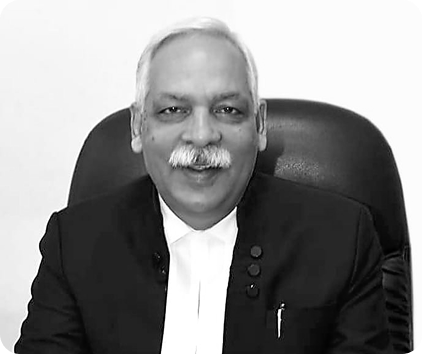

Chief Justice of India

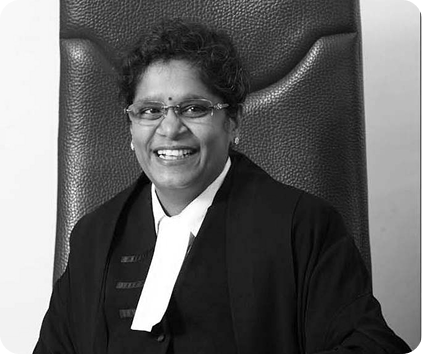
Chief Justice, High Court of Delhi

Judge, High Court of Delhi · Session Chair
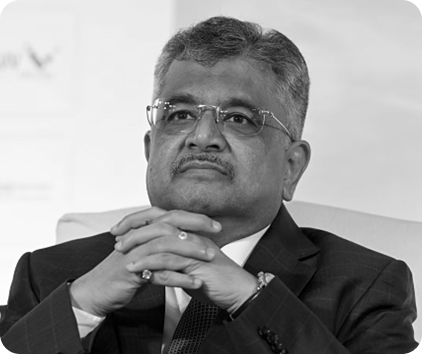
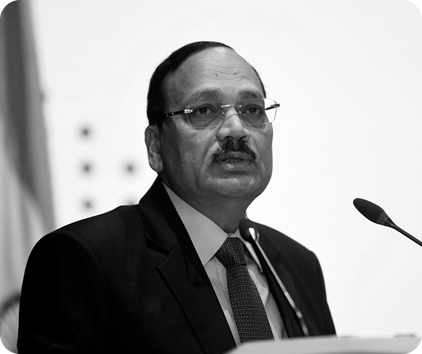
Solicitor General of India

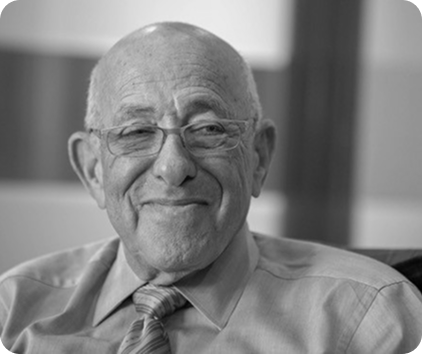
Founder, Weinstein International Foundation and JAMS
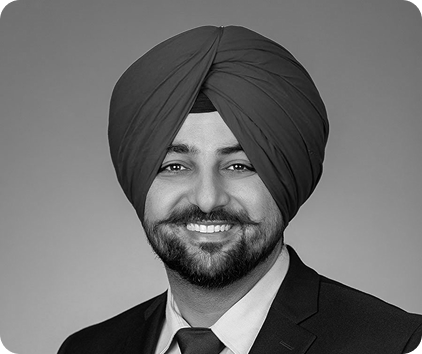
JAMS Neutral · Board, Weinstein Foundation · Professor
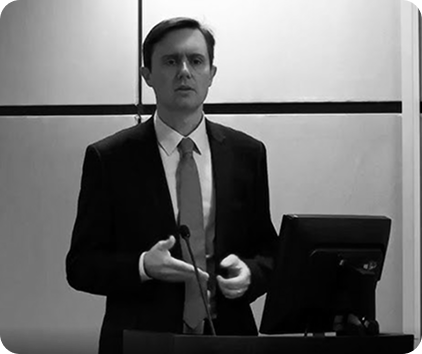
International ADR Expert & Session Chair
Hon’ble Justice Surya Kant, the Chief Justice of India and one of the country’s most distinguished jurists, known for his contributions to constitutional law, judicial administration, and access to justice. Born on 10 February 1962 in Hisar, Haryana, he graduated from Government Post Graduate College, Hisar, in 1981 and obtained his Bachelor of Laws degree from Maharishi Dayanand University, Rohtak, in 1984. He began his legal career at the District Court in Hisar before moving to Chandigarh in 1985 to practice before the Punjab and Haryana High Court, where he developed extensive expertise in Constitutional, Service, and Civil Law matters. During his practice, he represented numerous universities, statutory boards, corporations, banks, and the High Court itself.
Justice Surya Kant achieved the distinction of becoming the youngest Advocate General of Haryana when he was appointed to the office on 7 July 2000. He was designated as a Senior Advocate in March 2001 and continued to serve as Advocate General until his elevation as a Permanent Judge of the Punjab and Haryana High Court on 9 January 2004. Throughout his judicial career, he has been actively involved in legal education, judicial reforms, and legal aid initiatives. He served as a Member of the Governing Body of the National Legal Services Authority (NALSA) for two consecutive terms from 2007 to 2011 and has contributed to the work of the Indian Law Institute through various committees.
Demonstrating a commitment to academic excellence, Justice Surya Kant earned his Master of Laws degree from Kurukshetra University in 2011, securing First Class First position. He has organized and participated in numerous prestigious national and international conferences and is widely respected for his scholarly engagement with contemporary legal issues. On 5 October 2018, he assumed office as the Chief Justice of the High Court of Himachal Pradesh, where he provided significant judicial and administrative leadership before being elevated as a Judge of the Supreme Court of India on 24 May 2019.
During his tenure at the Supreme Court, Justice Surya Kant served as Executive Chairman of the National Legal Services Authority (NALSA) and Chairman of the Supreme Court Legal Services Committee (SCLSC), playing a key role in promoting access to justice and strengthening legal aid mechanisms across the country. On 24 November 2025, he was sworn in as the 53rd Chief Justice of India, assuming the highest judicial office in the nation.
Widely admired for his legal acumen, integrity, and commitment to constitutional values, Chief Justice Surya Kant continues to guide the Indian judiciary in addressing contemporary legal challenges while advancing the principles of justice, equality, and the rule of law.
Hon’ble Mr. Justice Devendra Kumar Upadhyaya is the Chief Justice of the Delhi High Court and an eminent jurist known for his extensive contributions to constitutional and civil jurisprudence. Born on 16 June 1965 in Village Muskarai, District Ambedkar Nagar, Uttar Pradesh, Justice Upadhyaya pursued his legal education at Lucknow University, earning his Bachelor of Laws (LL.B.) degree in 1991.
He enrolled as an Advocate on 11 May 1991 and began his legal practice under the guidance of his father, Shri R.A. Upadhyaya, a distinguished practitioner before the Board of Revenue for over six decades. He also trained under renowned legal luminaries Shri Mohd. Arif Khan, Senior Advocate, and Shri S.K. Kalia, Senior Advocate.
Justice Upadhyaya primarily practiced on the Civil and Constitutional sides before the High Court of Judicature at Allahabad, Lucknow Bench. During his years at the Bar, he built a strong reputation for his legal expertise, advocacy skills, and deep understanding of public law and constitutional matters. His distinguished professional standing led to his appointment as the Chief Standing Counsel for the State of Uttar Pradesh in May 2007, a position he held with distinction until his elevation to the Bench.
On 21 November 2011, Justice Upadhyaya was appointed as an Additional Judge of the High Court of Judicature at Allahabad. He was subsequently confirmed as a Permanent Judge on 6 August 2013. During his tenure at the Allahabad High Court, he delivered several significant judgments and contributed meaningfully to the development of legal jurisprudence. Recognizing his seniority and judicial leadership, he became the Senior Judge of the Lucknow Bench on 28 March 2023.
Justice Upadhyaya was appointed as the Chief Justice of the Bombay High Court and took oath of office on 29 July 2023. As Chief Justice, he provided effective judicial and administrative leadership to one of India’s most prominent constitutional courts, focusing on judicial efficiency, institutional development, and access to justice.
On 21 January 2025, Justice Devendra Kumar Upadhyaya assumed office as the Chief Justice of the Delhi High Court following his transfer from the Bombay High Court. As the head of one of the country’s most influential High Courts, he continues to play a pivotal role in strengthening the administration of justice and upholding constitutional values. Widely respected for his judicial wisdom, integrity, and commitment to the rule of law, Justice Upadhyaya remains a distinguished figure in the Indian judiciary and a strong advocate of fair, accessible, and efficient justice delivery.
Hon’ble Ms. Justice Prathiba M. Singh is a distinguished Judge of the Delhi High Court and one of India’s most influential figures in the field of Intellectual Property Law. Renowned for her contributions to intellectual property jurisprudence, commercial law, and judicial reform, she has played a transformative role in shaping India’s modern intellectual property framework. Her legal career reflects a rare combination of academic excellence, professional distinction, and judicial leadership.
Justice Singh completed the five-year law programme from the University Law College, Bangalore, graduating as the First Rank holder of Bangalore University. During her student years, she represented India at the prestigious Philip C. Jessup International Law Moot Court Competition in Chicago, USA. Recognizing her academic merit, she was awarded the prestigious ODASSS Scholarship by the Cambridge Commonwealth Trust to pursue an LL.M. at the University of Cambridge, United Kingdom. She enrolled with the Bar in 1991 and quickly established herself as one of India’s leading intellectual property practitioners.Prior to her elevation to the Bench, Justice Singh was the Managing Partner of Singh & Singh, where she built an outstanding practice encompassing intellectual property law, commercial litigation, arbitration, telecommunications, broadcasting, media law, regulatory matters, education law, and constitutional litigation. She handled landmark matters involving patents, trademarks, copyrights, designs, plant varieties, and internet law, regularly appearing before the Supreme Court of India, the Delhi High Court, the Intellectual Property Appellate Board (IPAB), TDSAT, and various intellectual property authorities.
Her expertise led to several important public appointments. She served as Amicus Curiae for streamlining the functioning of the Copyright Office and was a member of a High-Level Committee constituted to improve patent examination procedures in India. She was also invited to assist Parliamentary Committees examining amendments to the Patents Act, Copyright Act, and Geographical Indications legislation, and served on the CII National Steering Committee on Intellectual Property Rights.
Justice Singh was designated as a Senior Advocate by the Delhi High Court in 2013. She was also a member of the Government of India’s IPR Think Tank, which drafted India’s first National Intellectual Property Rights Policy, released in 2015. Her leadership in professional organizations such as APAA, INTA, AIPPI, and other national and international bodies significantly contributed to strengthening India’s intellectual property ecosystem.
Elevated as a Permanent Judge of the Delhi High Court on 15 May 2017, Justice Singh has continued to make landmark contributions to intellectual property jurisprudence. She chaired the committee responsible for recommending the establishment of the Intellectual Property Division (IPD) of the Delhi High Court following the abolition of the IPAB and oversaw the drafting of the Delhi High Court Intellectual Property Rights Division Rules, 2022. She also chaired the Patent Committee that drafted the Delhi High Court Rules Governing Patent Suits, 2022, creating a specialized framework for patent litigation in India.
Her contributions have been widely recognized through numerous awards and honours, including IP Litigator of the Year, IP Lawyer of the Year, Best IP Senior Counsel, Woman Lawyer of the Year, and recognition among the Most Powerful Women in Business. Managing IP has listed her among the 50 Most Influential People in Intellectual Property globally for consecutive years. In 2022, she became the first Indian Judge to be elected as an Honorary Fellow of Hughes Hall, University of Cambridge, a testament to her international standing and contribution to the legal profession.
Mr. Tushar Mehta is one of India’s most distinguished legal practitioners and currently serves as the Solicitor General of India, the second-highest law officer of the country. Widely recognized for his expertise in constitutional, administrative, and public law, he has played a pivotal role in representing the Union of India before the Supreme Court in several landmark cases of national importance.
Born on 11 September 1964 in Jamnagar, Gujarat, Mr. Mehta completed his legal education at L. A. Shah Law College, Gujarat University. During his academic career, he was awarded five prestigious gold medals for excellence in various branches of law, reflecting his exceptional scholarly achievements.
After enrolling with the Bar Council of Gujarat in 1987, he began his legal practice at the Gujarat High Court and soon established a reputation as an accomplished advocate in constitutional, administrative, and service law matters. In recognition of his professional excellence, he was designated as a Senior Counsel by the Gujarat High Court in 2008 and was subsequently appointed Additional Advocate General for the State of Gujarat.
In 2014, Mr. Mehta was appointed Additional Solicitor General of India, representing the Union Government in significant constitutional and policy matters before the Supreme Court and various High Courts. On 10 October 2018, he was appointed Solicitor General of India and has since continued to serve in this capacity through successive extensions.
As Solicitor General, he has appeared in several landmark constitutional cases, including matters relating to Article 370, federal governance, public policy, digital regulation, freedom of expression, and national security. He has consistently represented the Government of India in some of the most significant legal and constitutional disputes of recent times, earning widespread respect for his advocacy and legal acumen.
Beyond the courtroom, Mr. Mehta is a sought-after speaker at legal conferences, universities, and professional forums. He regularly addresses issues relating to constitutional governance, arbitration, judicial administration, and legal ethics. His contributions to the legal profession have been recognized through honorary doctorates conferred by Amity University and Karnataka State Law University.
With a distinguished career spanning nearly four decades, Mr. Tushar Mehta continues to be one of the most influential figures in Indian law, contributing significantly to the development of constitutional jurisprudence and the strengthening of the rule of law in India.
Hon. Daniel Weinstein (often referred to as Judge Danny Weinstein), is one of the most respected mediators in the United States and a pioneer in the field of Alternative Dispute Resolution (ADR). Internationally recognized for mediating complex commercial, civil, multi-party, and public policy disputes, he has played a significant role in shaping modern mediation practices worldwide.
Prior to his distinguished career as a mediator, Judge Weinstein served on the San Francisco court bench before stepping down in 1989 to devote his efforts to mediation and arbitration. He subsequently became one of the founding members of JAMS, one of the world’s largest private dispute-resolution organizations.
Over the course of several decades, Judge Weinstein has successfully mediated thousands of disputes involving businesses, governments, organizations, and individuals, helping parties achieve effective resolutions outside lengthy and costly litigation processes. His commitment to peacebuilding extends beyond dispute resolution through the establishment of the Weinstein International Foundation, an organization dedicated to promoting mediation, conflict-resolution education, and peacebuilding initiatives across the globe.
His outstanding contributions to the ADR field have earned him numerous prestigious recognitions, including the International Advocate for Peace Award from the Cardozo Journal of Conflict Resolution in 2014, recognition as an ADR Champion by the National Law Journal in 2017 and 2018, and the Peacemaker Award from the Straus Institute for Dispute Resolution at Pepperdine Caruso School of Law in 2020, the institute’s highest honor.
In 2021, Judge Weinstein was appointed Distinguished Mediator in Residence at Pepperdine University’s Straus Institute for Dispute Resolution, where he continues to contribute to the advancement of mediation education and practice. A highly regarded educator, mentor, and speaker, he regularly teaches and lectures on mediation and conflict resolution throughout the United States and internationally. Widely recognized as a leading mediator for high-stakes and complex disputes, Judge Danny Weinstein’s work as a mediator, educator, and peacebuilder has had a lasting influence on the global ADR community.
Dr. Sukhsimranjit Singh is an internationally acclaimed mediator, legal scholar, educator, and dispute-resolution expert whose work has significantly influenced the global advancement of Alternative Dispute Resolution (ADR). Based in the United States, he serves as the Judge Danny Weinstein Managing Director of the Straus Institute for Dispute Resolution and Professor of Law and Practice at Pepperdine University Caruso School of Law. He also serves as the Director of the LL.M. Programs in Dispute Resolution, a JAMS Neutral and Mediator, and a Board Member of the Weinstein International Foundation.
Originally from Punjab, India, Dr. Singh earned his B.A. and LL.B. from the National Academy of Legal Studies and Research (NALSAR), followed by an LL.M. in Dispute Resolution from the University of Missouri. He also completed a postgraduate fellowship at the Hamline University Dispute Resolution Institute and earned a Ph.D. from National Law University Delhi, focusing on comparative Indo-American approaches to dispute resolution. Early in his career, he clerked for Justice R. C. Lahoti, former Chief Justice of India, an experience that helped shape his lifelong commitment to justice and conflict resolution.
Over the course of his distinguished career, Dr. Singh has mediated disputes and trained professionals across the United States, India, Canada, Japan, New Zealand, Brazil, Singapore, the United Kingdom, France, Spain, China, Australia, and several other countries. His areas of expertise include international mediation, cross-cultural dispute resolution, faith-based mediation, negotiation, conflict management, and organizational dispute resolution. His ability to bridge cultural and legal differences has made him a highly sought-after mediator, trainer, and advisor worldwide.
An accomplished academic and author, Dr. Singh has taught at several leading institutions, including Pepperdine University, USC Gould School of Law, Willamette University, Hamline University, National Law University, and Rajiv Gandhi National University of Law. He has authored numerous scholarly publications and contributed extensively to the development of mediation education through his writings, lectures, and professional training programs.
His contributions have earned international recognition, including being named a GIAN Scholar by the Government of India and an Honorary Fellow of the International Academy of Mediators. He is a frequent keynote speaker at global conferences and has delivered widely acclaimed TEDx talks, including Negotiating for Love and Made in India.
As the inaugural holder of the endowed Judge Danny Weinstein Managing Director position at the Straus Institute, Dr. Singh continues to shape the future of mediation and dispute resolution worldwide. Widely regarded as one of the leading voices in international ADR, he remains committed to advancing dialogue, collaboration, and peaceful conflict resolution across cultures, jurisdictions, and legal systems.
Hon. Fernando Hoffmann is a distinguished Brazilian Labor Court Judge, mediator, educator, and internationally recognized specialist in mediation, negotiation, and Alternative Dispute Resolution (ADR). He currently serves as the Presiding Judge of the 22nd Labor Court of Curitiba within the Regional Labor Court of Paraná (TRT-9), where he has played a significant role in advancing mediation, conciliation, and judicial innovation within Brazil’s labor justice system.
Judge Hoffmann began his judicial career in 1997 after securing first rank in the highly competitive Brazilian Labor Judiciary examination among more than 2,000 candidates. Over the years, he has served in numerous judicial, administrative, and educational capacities within the Regional Labor Court of Paraná, contributing extensively as a judge, mediator, judicial educator, and advisor to court leadership. His work has focused on promoting consensual dispute resolution mechanisms that reduce litigation and improve access to justice.
Committed to professional excellence and innovation, Judge Hoffmann pursued advanced studies in mediation, negotiation, and dispute resolution at the Straus Institute for Dispute Resolution, Pepperdine Caruso School of Law, USA. He has also participated in several international programs on mediation, legal writing, and dispute resolution, enhancing his expertise in both domestic and cross-border conflict resolution.
His areas of specialization include labor mediation and conciliation, collective bargaining negotiations, pre-litigation dispute resolution, judicial administration, and court modernization. He is widely recognized for encouraging collaborative dispute resolution processes and developing systems that enable parties to resolve conflicts efficiently before formal litigation. As part of his commitment to judicial innovation, he served as the coordinator of Paraná’s first “Justice 4.0” labor-court innovation unit, integrating technology and modern management practices into judicial processes.
In recent years, Judge Hoffmann has emerged as one of Brazil’s leading judicial voices on the responsible use of Artificial Intelligence (AI) in mediation and court systems. He advocates the use of AI as a tool to support judges and mediators while emphasizing that human judgment, empathy, and ethical decision-making must remain central to the administration of justice. He has conducted numerous national training programs on AI-assisted mediation, judicial innovation, and conflict management.
An accomplished educator and speaker, Judge Hoffmann regularly lectures for judicial academies, labor courts, universities, and professional organizations throughout Brazil. He is also the author of several articles promoting mediation, negotiation, and pre-filing dispute resolution. Through his collaboration with internationally renowned mediation experts and global ADR institutions, he continues to contribute to the advancement of mediation and judicial innovation worldwide.